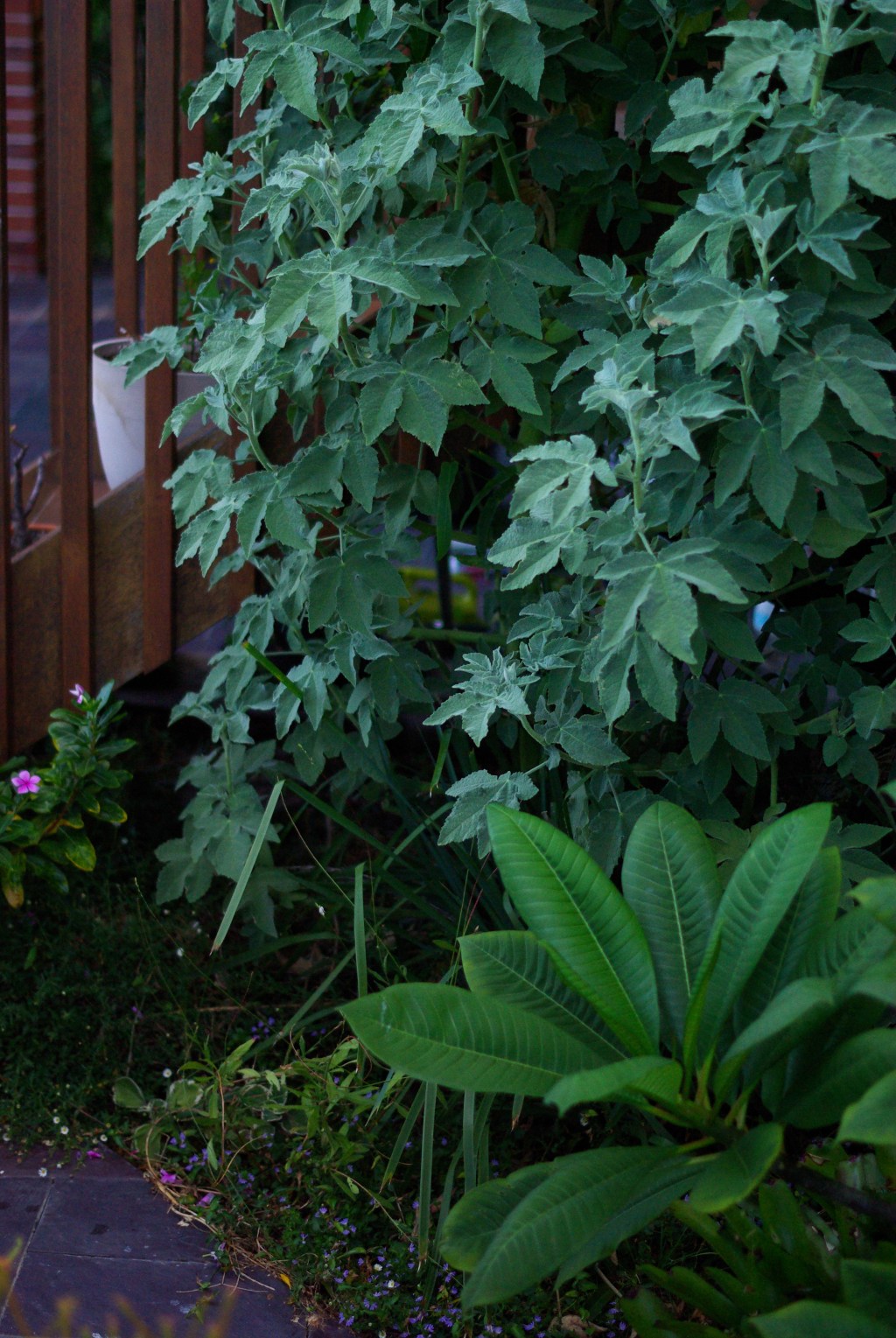
My electric whippersnipper whirred calmly as it efficiently sliced 2 years of love and labour laid into my garden. The “vacate the property” form had appeared in the letterbox some 2 months earlier and set the wheels in motion for the dismantling of the biodiverse haven that surrounded my home. My garden begun with the standard care required of tenants renting in Queensland, Australia.
Mowing the lawns, keeping the hedges trimmed and battling the weeds on the driveway and mulched areas. This last requirement, the most infuriating, as more often than not, rental gardens aren’t designed with the usual garden remedies that prevent the establishment of weeds. Instead, signing a 6 or 12 month rental contract also locks you into an all out war against these unwanted (by the owner) plants. Weed matting – so erroneously named, does virtually nothing to stop weeds as follows:
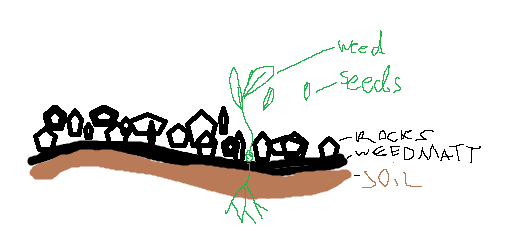
In Brisbane’s subtropical climate, this well-illustrated diagram starts occur about two weeks after move in. Weed seeds simply settle on top of the weed matting and then send roots through it. Bad design and creating more maintenance than is necessary. More maintenance, that I as the renter am obliged to do. On a large scale this is close to impossible to consistently do, so we (me and my housemates) just leave this until we move out, where it will inevitably become the next tenant’s issue.
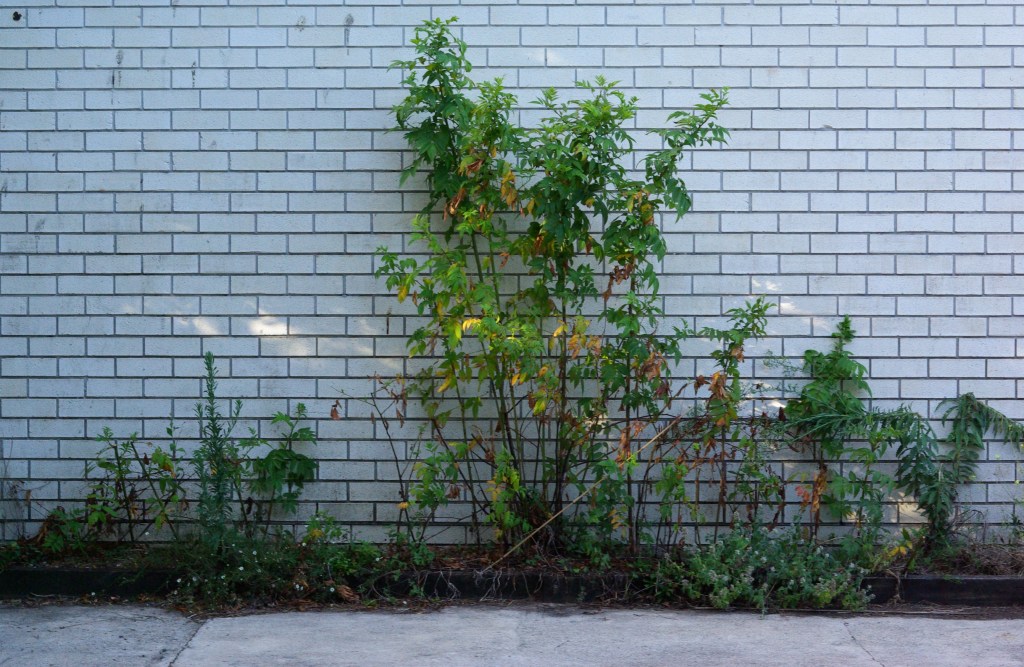
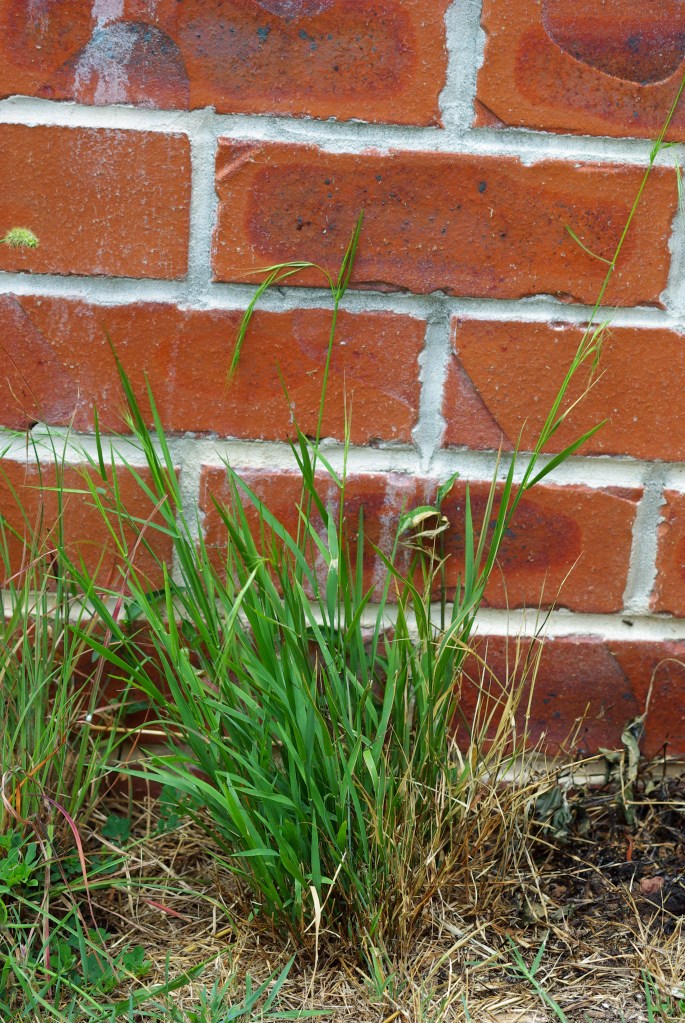
It’s not all doom and gloom, because fortunately the landlord graciously put down their bucket of rocks and sheathed their roll of weed-mat to lay mulch next to two sections of nothing ground near the house. My gardening hands reached out for the nearest trowel upon seeing this, and I set to work doing what I could to grow some plants. Contrary to popular belief, the establishment of most non-smothering weeds in residential settings tell you something about the landscape. They’re not there to make your life a misery but in fact indicate patches of ground that are able to support plant life, weeds being just the very first to do so – they’re pioneers.
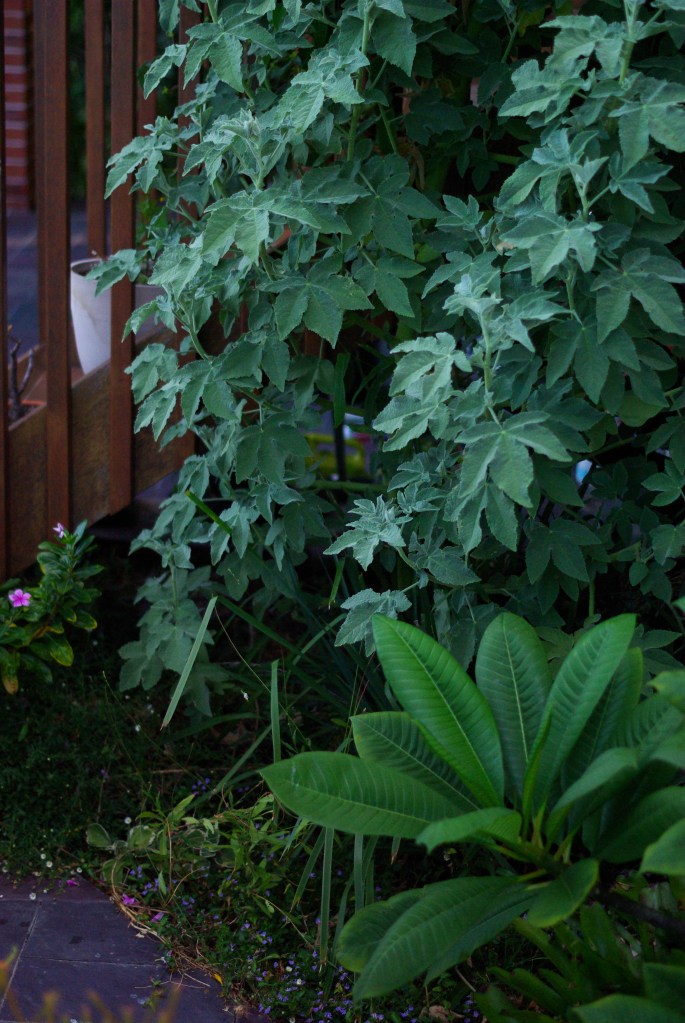
This gave me a few options of “bare” ground to work with to start to plant some things that would try and hold off the weeds and give me a chance to test some new plants. Within a year, I had developed something that resembled a collection of plants and I continued to toil in these “in-between areas”, ill defined as neither lawn, or rock gravel beds.
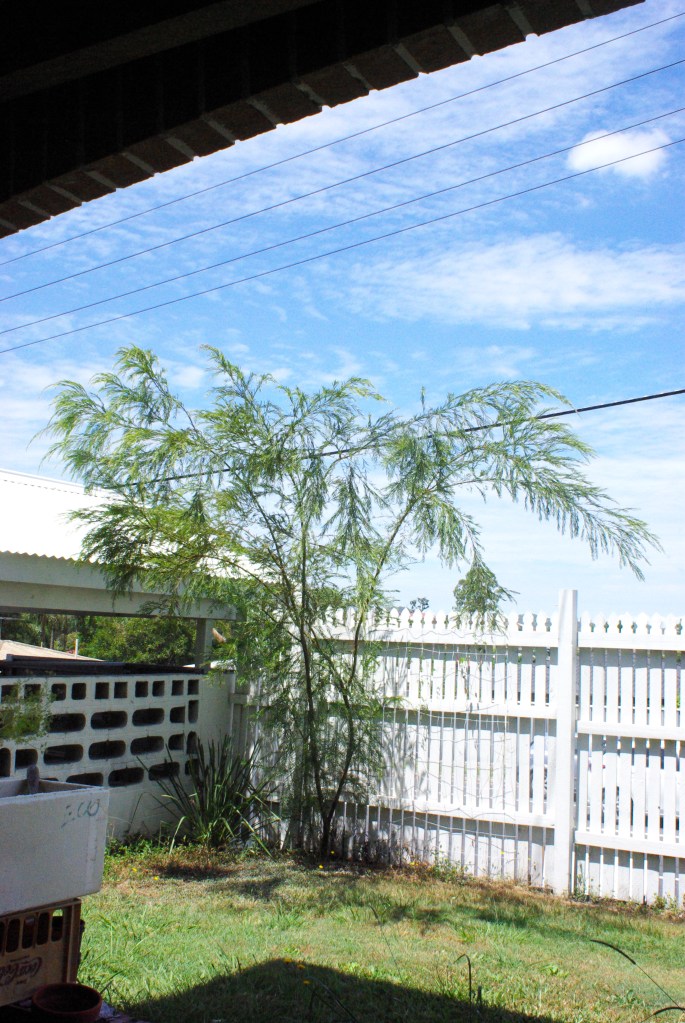
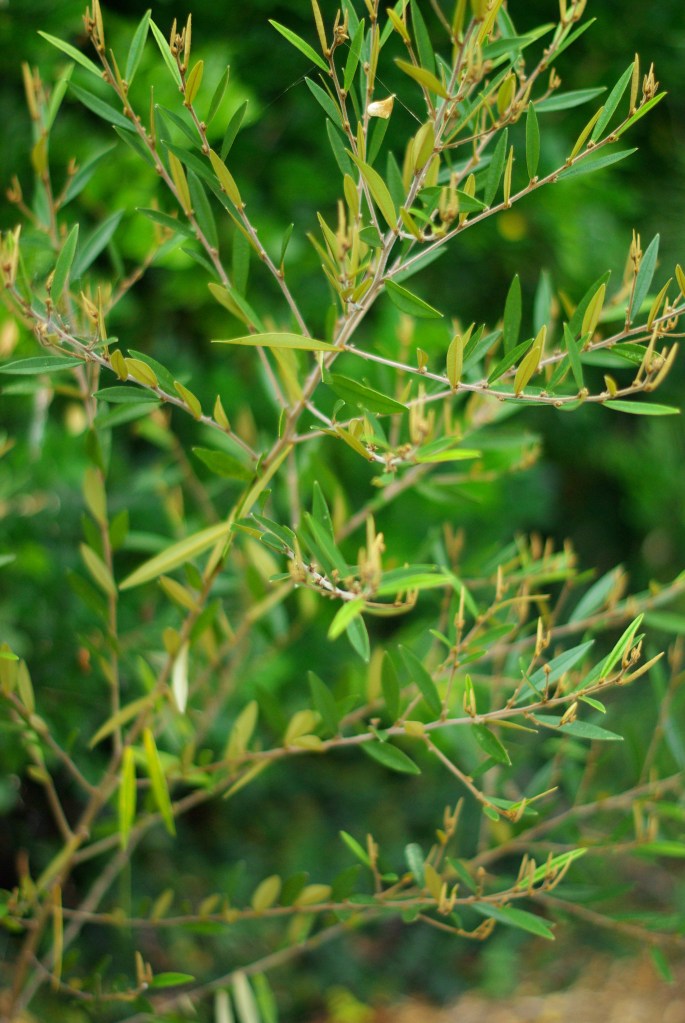
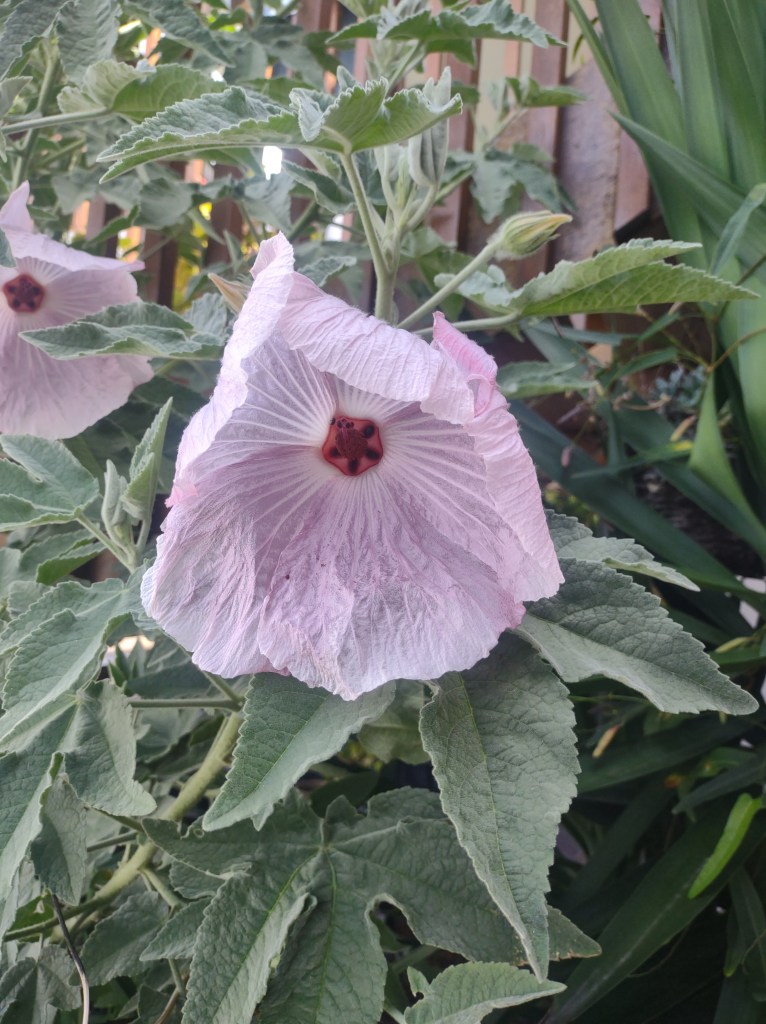
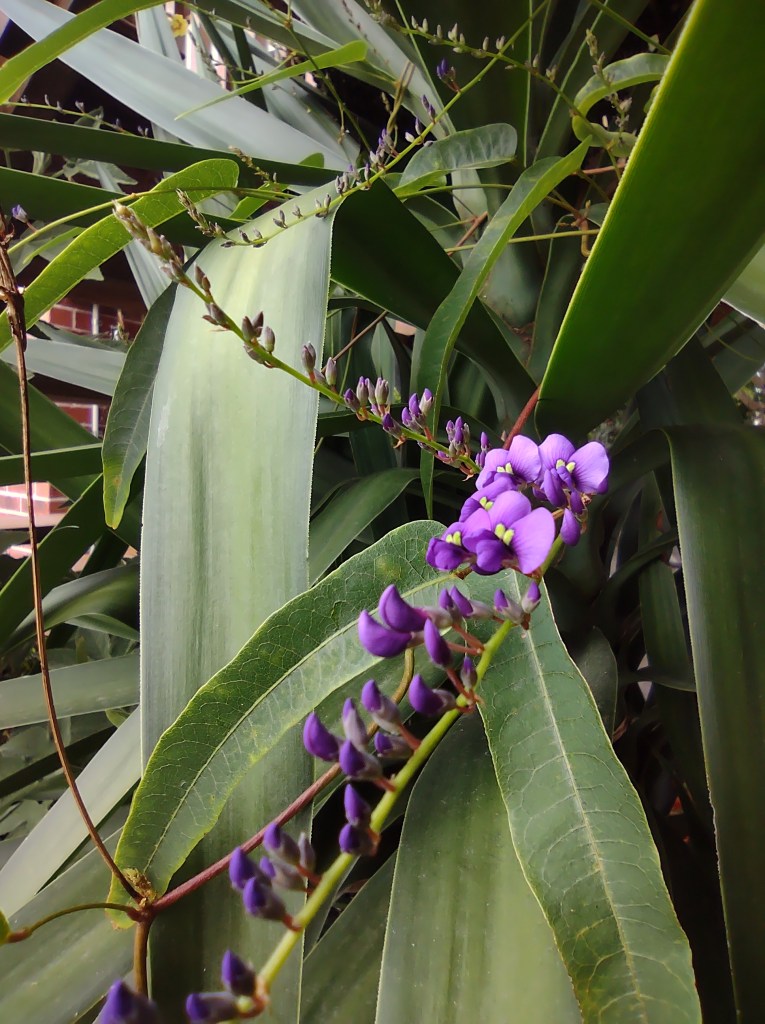
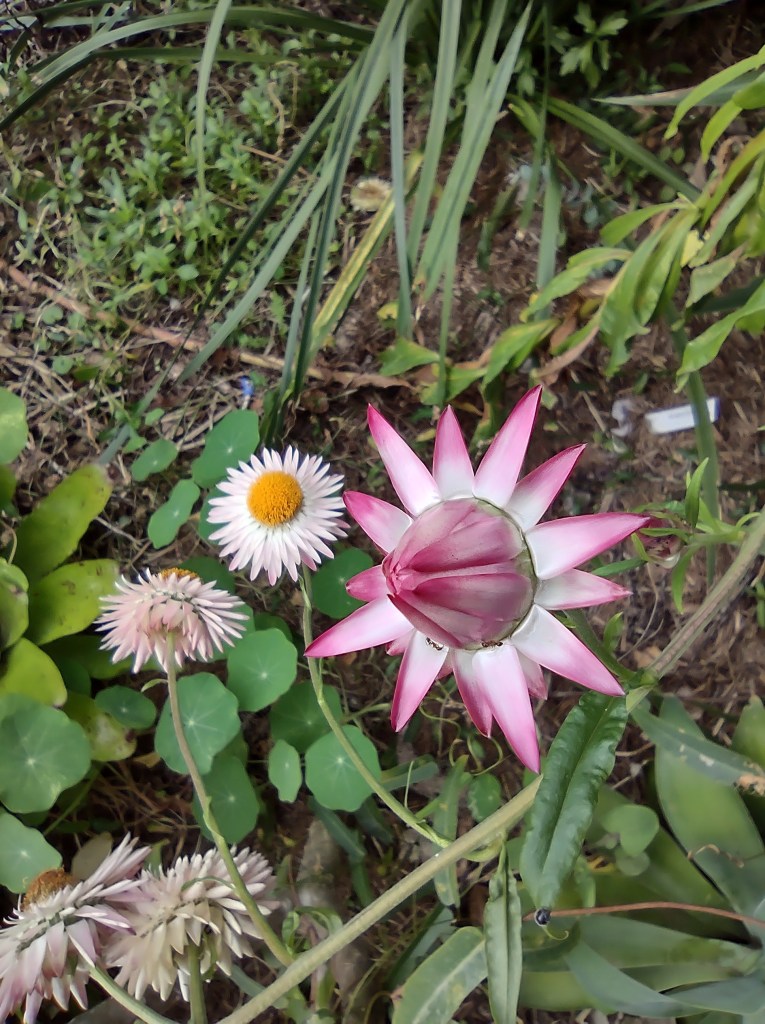
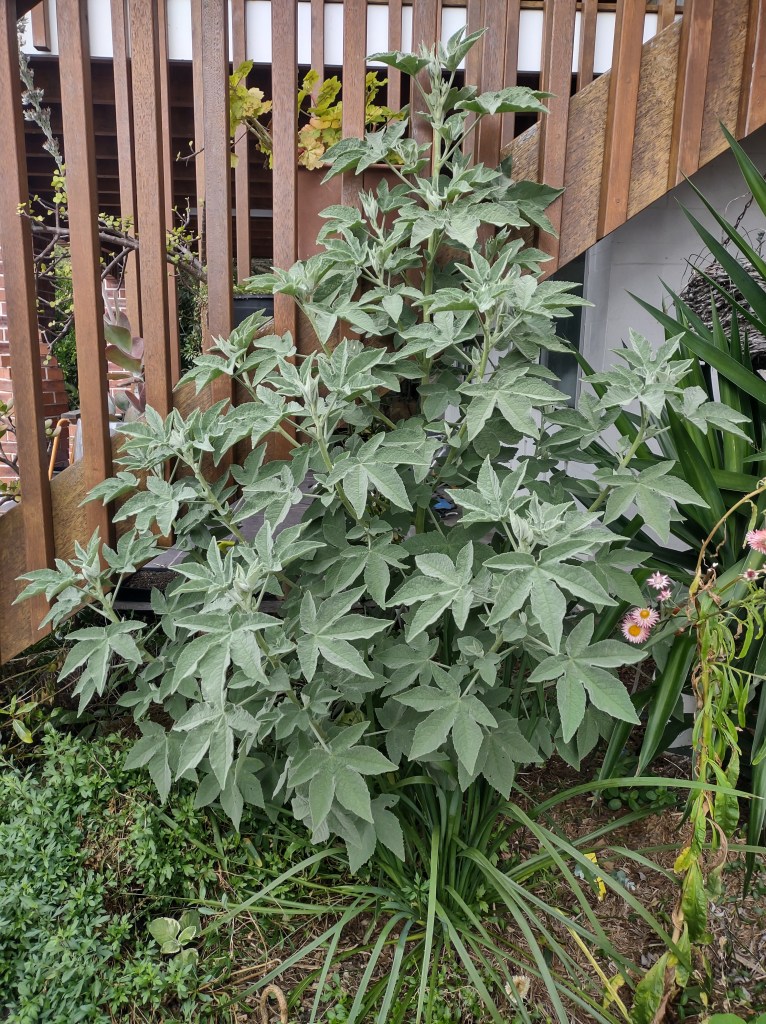
As my time in this garden drew to a close, I was quite proud of what I had managed to achieve. There were many species that I was able to naturalise within the block and despite the fervent clean up as we moved out, survived and will continue to provide added food, shade and water holding abilities where there was none. Saddened as I was to leave my garden, I know I’ve done some good for some of the more permanent residents in our suburbs.
THE END
I posted progress and continue to post progress of my garden experiments on my Instagram story highlights under “garden”. Check it out 🙂
 Reed
Reed 
Leave a comment